
There's a version of football kit history that most people know: Umbro in the 70s, Adidas in the 80s, Nike taking over in the 90s. Clean progression, global sportswear giants, predictable story.
But there's another version — stranger, more interesting, and almost entirely forgotten — where the shirts on players' backs came from crocodile logos, boxing gyms, and Milan catwalks. Where fashion houses and lifestyle brands briefly crashed the beautiful game and produced some of the most unusual, sought-after pieces in vintage kit collecting.
These are five of the best.
Lacoste × Benfica, Roma & Lazio
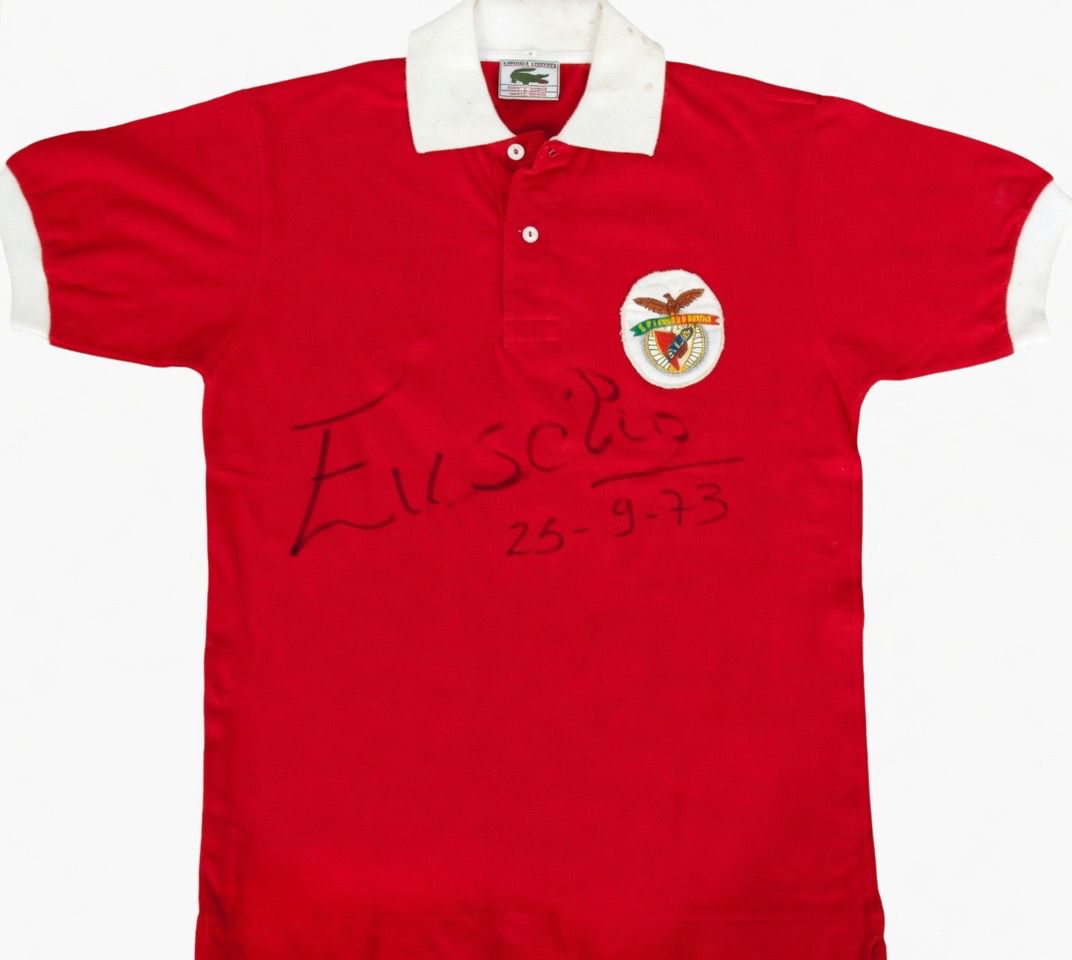
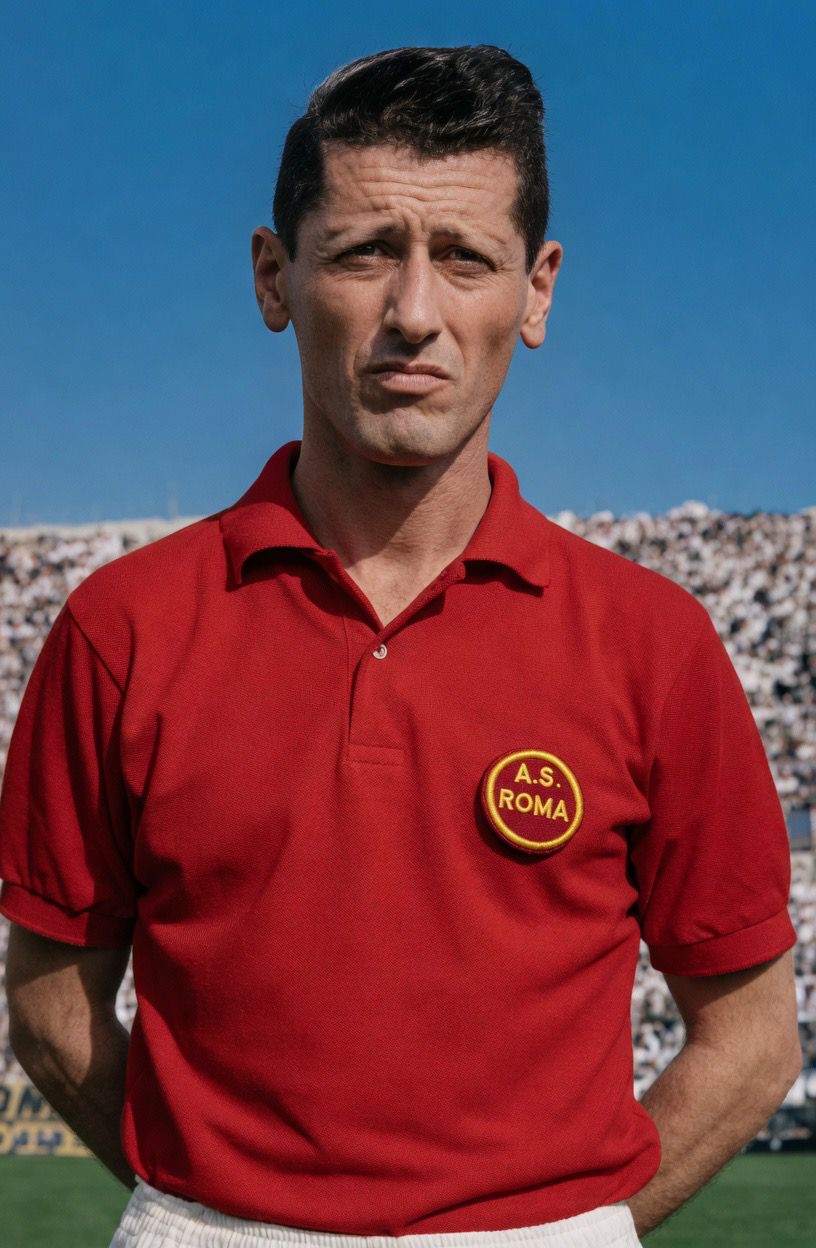
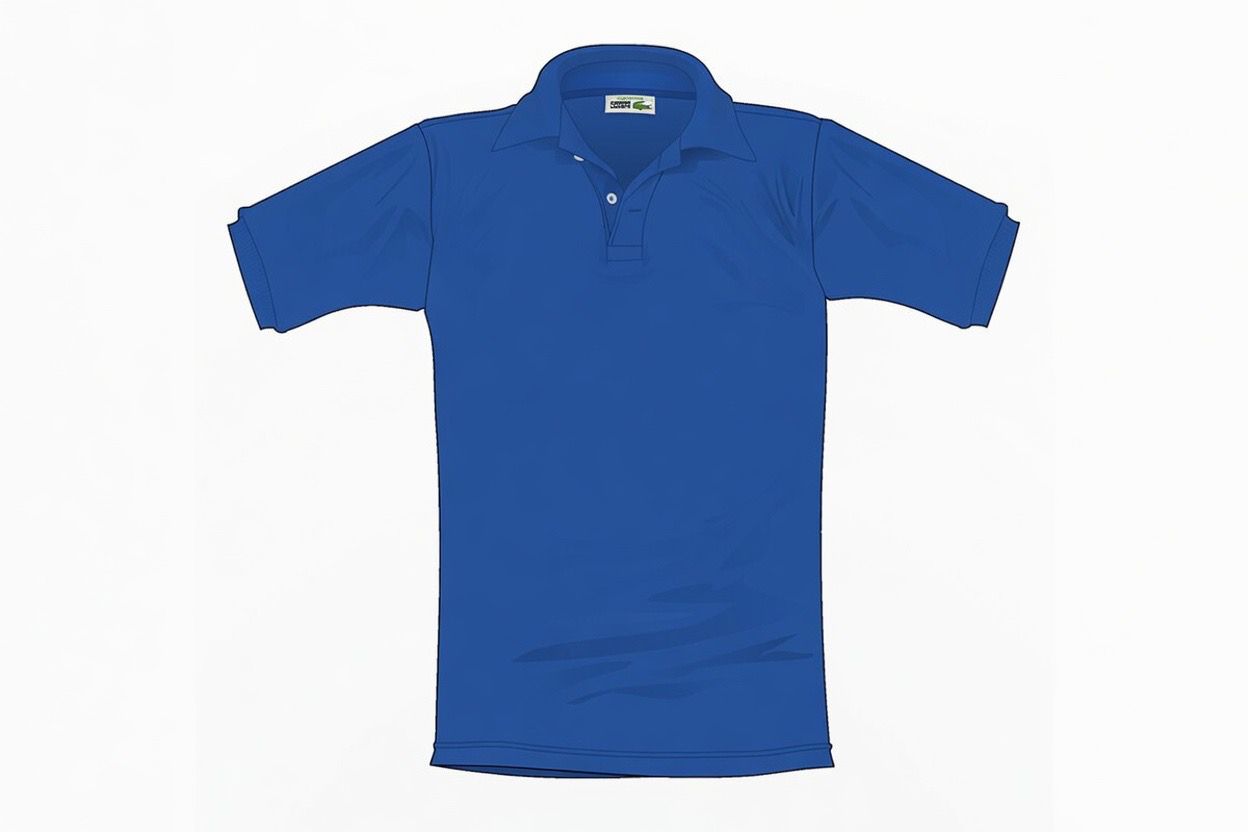
The crocodile on the chest is one of the most recognisable logos in the world. René Lacoste — the French tennis champion turned fashion entrepreneur — built a brand synonymous with the country club, the polo shirt, the kind of relaxed European elegance that has nothing to do with mud and corner flags.
And yet, in the late 1960s and into the 1970s, Lacoste quietly entered football. They produced kits for S.L. Benfica, AS Roma and SS Lazio — three clubs with massive fanbases, historic identities, and absolutely nothing in common with the Lacoste aesthetic. The shirts kept it simple: the crocodile label at the collar, polo cuts, functional piqué fabric. No sponsor. No badge of a sportswear brand. Just a tennis polo on a football pitch.
The Benfica shirt above carries a signature — Eusébio, 25-9-73 — which places it in the final years of the great man's career at the club. That's not just a football shirt. That's a document.
What makes these kits genuinely special is precisely that disconnect. A Lacoste Lazio shirt from 1968 isn't trying to be anything other than what it is — a football shirt made by people who had no deep interest in football. That purity reads very well today. They're elegant in a way that purpose-built sportswear kits rarely are.
Fred Perry × Anderlecht
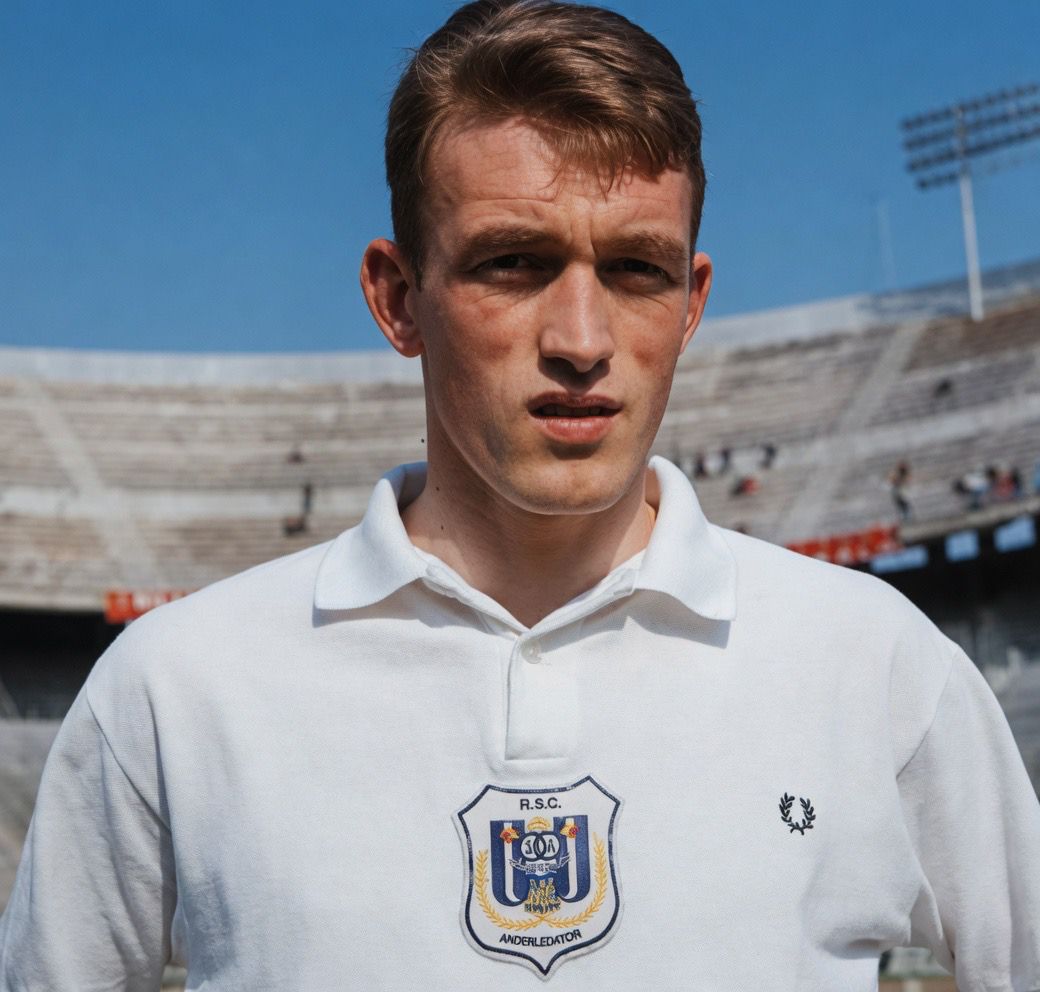
Fred Perry the man won Wimbledon three times in a row in the 1930s. Fred Perry the brand became something else entirely: a British cultural icon adopted by mods, skinheads, Britpop kids, and everyone in between. The laurel wreath logo on a polo shirt became shorthand for a very specific kind of English attitude.
Their football chapter is brief and almost unknown: a kit deal with RSC Anderlecht in the early 1960s. A fashion brand that had conquered tennis, and then streetwear, briefly stepping into Belgian club football — and then stepping straight back out.
A fashion brand that had conquered tennis and then streetwear, briefly stepping into European club football — and then stepping straight back out.
The resulting shirts have a clean, understated quality that you associate more with Carnaby Street than with the Belgian First Division. Look at the photo above — the laurel wreath badge on the right chest is barely visible, almost an afterthought. Which is exactly what makes these worth hunting for.
Levi's × Mexico
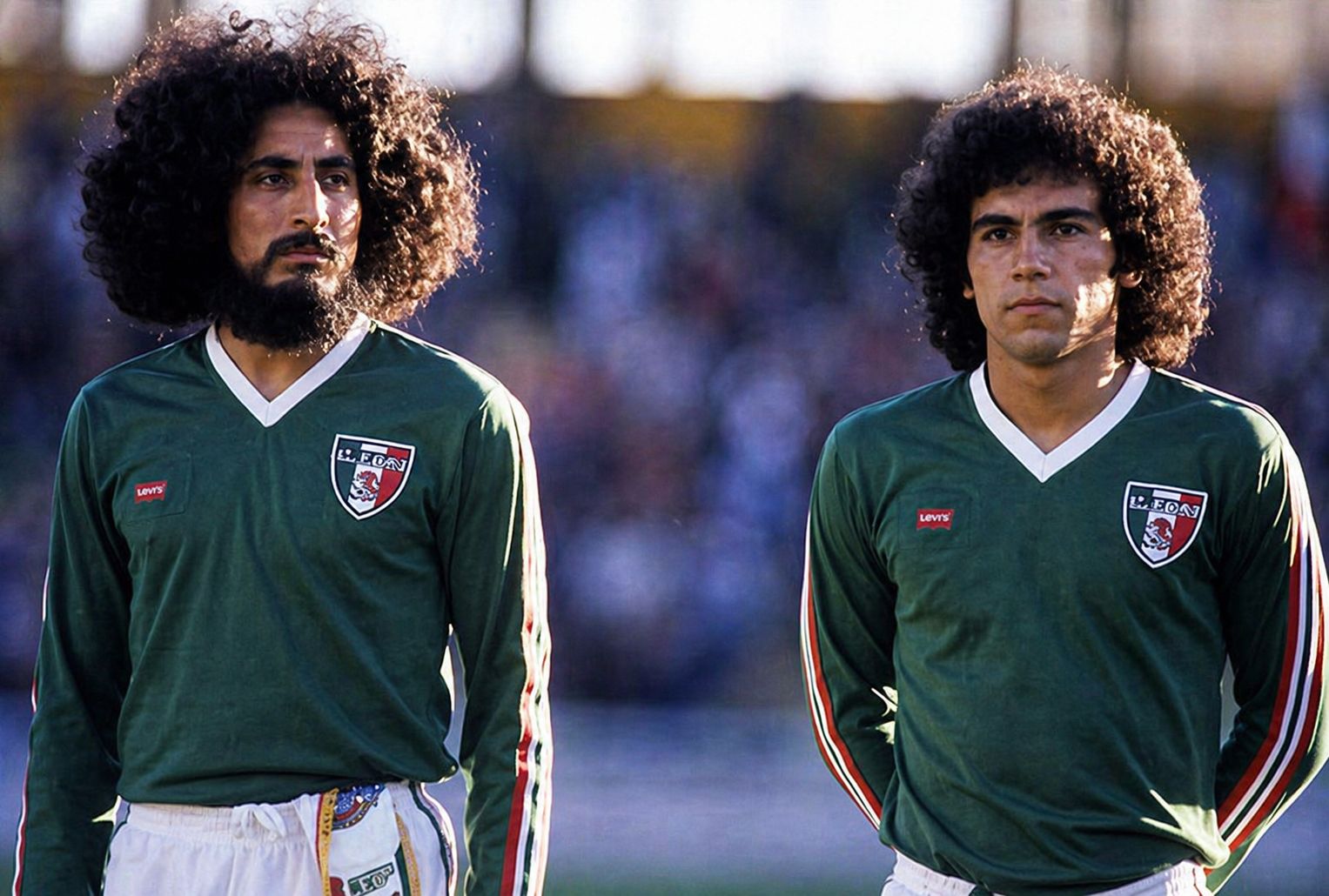
Levi Strauss & Co. have been making jeans since 1873. They dressed gold rush miners, Hollywood rebels, and basically every teenager on the planet at some point in the 20th century. They have one of the most powerful brand identities in consumer goods history.
And in the mid-1970s, the Mexican national team wore their logo on the pitch. Here's the twist though: the kit itself was actually made by Adidas. The Levi's tab sewn onto the chest was a commercial arrangement — a sponsorship badge on a classic Adidas template. El Tri was wearing an Adidas shirt with Levi's branding stitched on. Bizarre, but absolutely real.
What you're looking at in that photo is essentially the most on-brand crossover in 1970s football: the green and white of Mexico, the three stripes of Adidas on the sleeves, and the denim brand's red tab on the chest. A fashion collision that makes no sense and complete sense at the same time.
Converse × Atlético Nacional

The All-Star logo. The Chuck Taylor silhouette. The brand that dressed every American high school corridor and every alternative music video from 1985 to 2005. Converse is basketball shoes, Chuck Taylors, and nothing else — until 2001, when they made a single football kit for Atlético Nacional of Colombia.
One season. One club. One kit. And then nothing — Converse went back to shoes and never looked at football again.
The story has taken on an almost mythological quality in the years since. When fake "Converse × Liverpool" concepts went viral online, the comments were full of people who didn't know the real Converse football kit existed. The Atlético Nacional shirt — green and white stripes, that unmistakable star logo — has become one of the most referenced pieces in vintage kit culture. An icon by accident.
Emporio Armani × Napoli
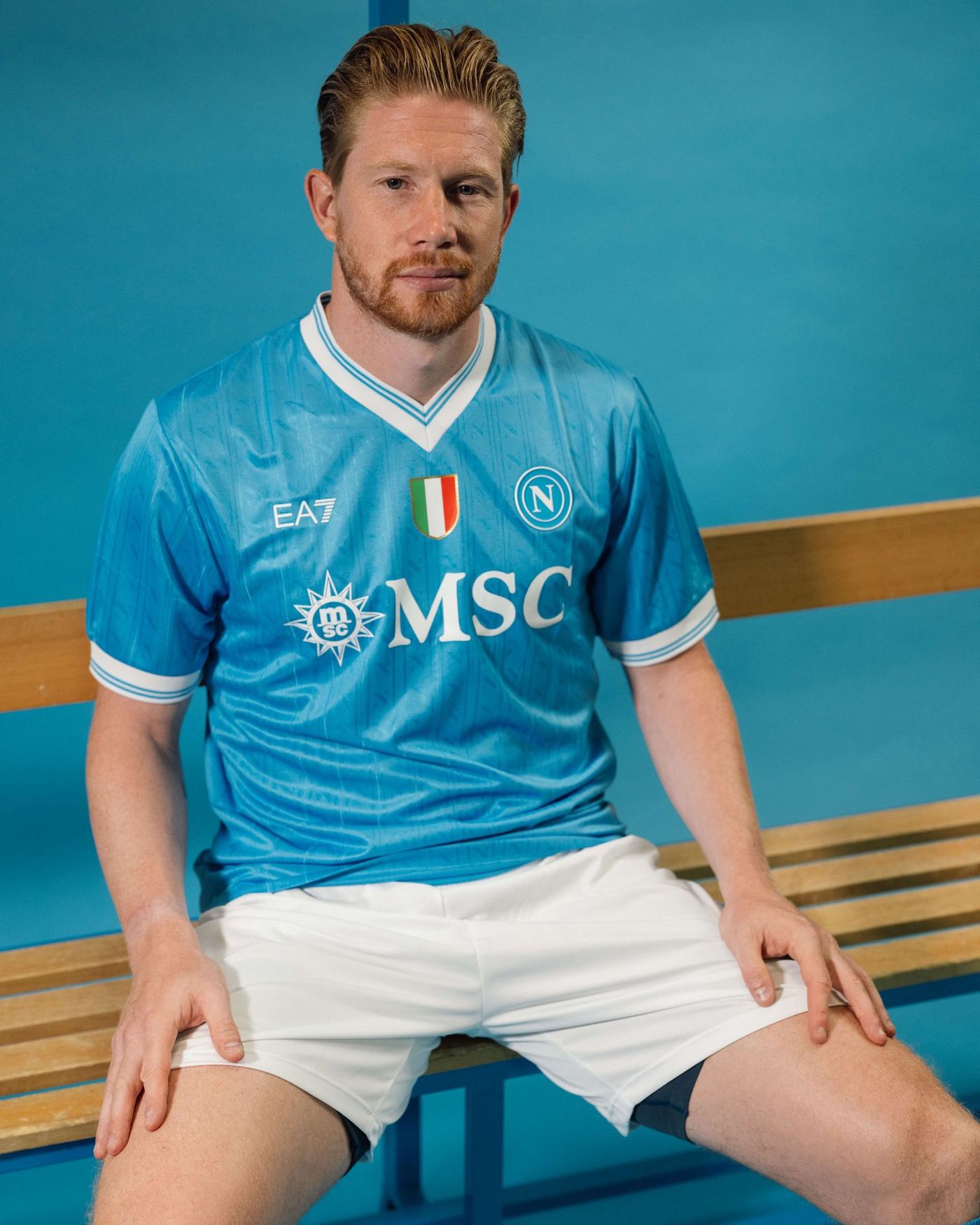
Everything else on this list happened in a world before football kits were taken seriously as cultural objects. Lacoste and Levi's weren't trying to make art — they were taking a commercial opportunity in an era when kit deals were low-profile arrangements, not global events.
EA7 Emporio Armani's partnership with SSC Napoli, starting in 2021, feels different. This is fashion meeting football with full self-awareness on both sides. Giorgio Armani's sub-brand — part of the same house responsible for some of the most iconic menswear of the last 50 years — dressing one of the most passionate and visually distinctive clubs in world football.
The Napoli–EA7 kits generated real debate. Traditionalists questioned whether a luxury fashion house belonged in the dugout. Designers and collectors found the collaboration genuinely interesting. What's undeniable is that it placed a football kit in a conversation that usually happens in showrooms and fashion weeks, not on terraces.
Whether or not you think it worked aesthetically, it marked something: a moment when high fashion stopped looking at football from a distance — and stepped onto the pitch.
What connects all five of these stories is the same thing that makes vintage kit collecting so compelling: context. A shirt is never just fabric and a badge. It carries a brand identity, a cultural moment, a set of associations that have nothing to do with the match it was worn in.
A Lacoste Lazio shirt is both a football shirt and a piece of 1960s European fashion history. A Converse Atlético Nacional is both a Colombian football artefact and a footnote in sneaker culture lore. A Levi's Mexico shirt has three stripes on the sleeves and a denim tab on the chest, and somehow that makes complete sense.
The sportswear giants will always be there. But it's the crocodiles and the Chuck Taylors and the red tabs that make this game strange and beautiful.
Find These Shirts on Kit Finder
Search across 80+ specialist vintage and retro football shirt stores — all in one place.
Search vintage kits